Mississauga is a big, busy city — and the homes here reflect that variety. From high-rise condos along Hurontario Street to detached family homes near Erin Mills or Cooksville, every property type comes with its own list of things that need fixing, installing, or updating. When that list starts to grow faster than you can handle it, having access to a skilled local handyman makes a real difference.
For many homeowners, the challenge isn't finding a single large contractor — it's finding reliable help for the smaller, practical jobs that pile up over time. A door that doesn't close properly, a TV bracket left uninstalled for months, a piece of flat-pack furniture sitting in its box — these things are easy to put off but hard to ignore. Getting them done properly, in a single visit, is exactly what professional handyman help is built for.
Handyman Oakville Ontario serves homeowners, condo owners, landlords, and property managers in Mississauga and the surrounding Greater Toronto Area. With experience across a wide range of home repairs and installations, the team brings the tools, the know-how, and the attention to detail that local residents count on for getting jobs done right the first time.
Trusted Handyman Services in Oakville Ontario | Home Repairs & Installs
Mississauga is one of the most densely populated cities in Ontario, and its housing stock is equally varied. Older homes near Port Credit or Lakeview may have decades-old fixtures that need replacing or repairing. Newer townhomes in Streetsville or Meadowvale often need assembly work, wall installations, or appliance setup after a move. Each situation calls for a different approach — and that's where experience matters.
Many residents find that general contractors focus on large renovation projects and aren't interested in smaller repair work. Handyman professionals fill that gap. Whether it's patching a section of damaged drywall in a hallway or installing a custom closet system in a tight bedroom, a skilled handyman can handle jobs at a scope that actually matches what most homeowners need.
Property managers in Mississauga also rely heavily on reliable repair support. Rental turnovers often involve a list of minor fixes — scuffed walls, loose cabinet hinges, a sliding door off its track — that need to be completed quickly and properly between tenants. Having a trusted local handyman service that works across Mississauga and into Oakville and Burlington makes scheduling much more straightforward.
Condo owners face their own set of challenges. In many buildings, in-suite repairs are the owner's responsibility, but the work still has to meet building standards and be done without disrupting neighbors. A handyman who works carefully and efficiently in confined spaces — like a small bathroom or a compact home office — is the right fit for that kind of job.
The time cost is just as real as the financial cost. Most working homeowners don't have the availability to spend a full weekend on a repair they're not sure how to do. Calling in a professional for a 2- or 3-hour job means it actually gets done, correctly, on a day that works for your schedule.
Home repair support also plays a role in maintaining property value. A home that shows signs of deferred maintenance — sticking doors, damaged walls, poorly fitted fixtures — will be harder to sell and may appraise lower. Keeping up with repairs, even small ones, keeps a property in good condition year-round.
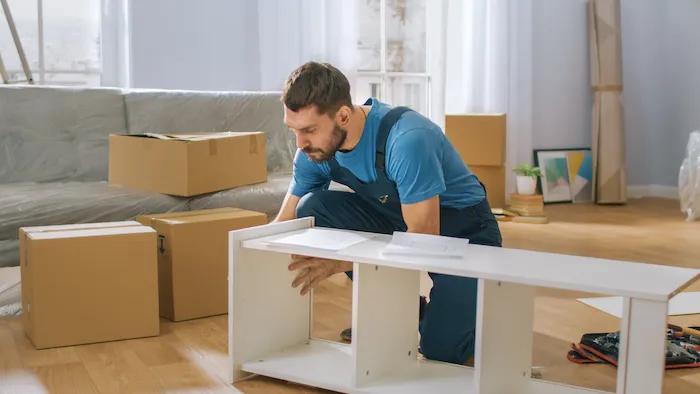
The most common requests tend to fall into a handful of practical categories. Furniture assembly tops the list — flat-pack pieces from major retailers are everywhere, but assembling them correctly, especially larger wardrobes or bed frames with complex hardware, takes time and patience that many homeowners would rather spend elsewhere.
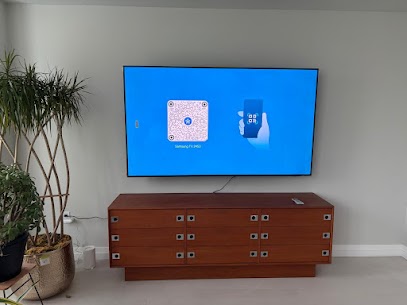
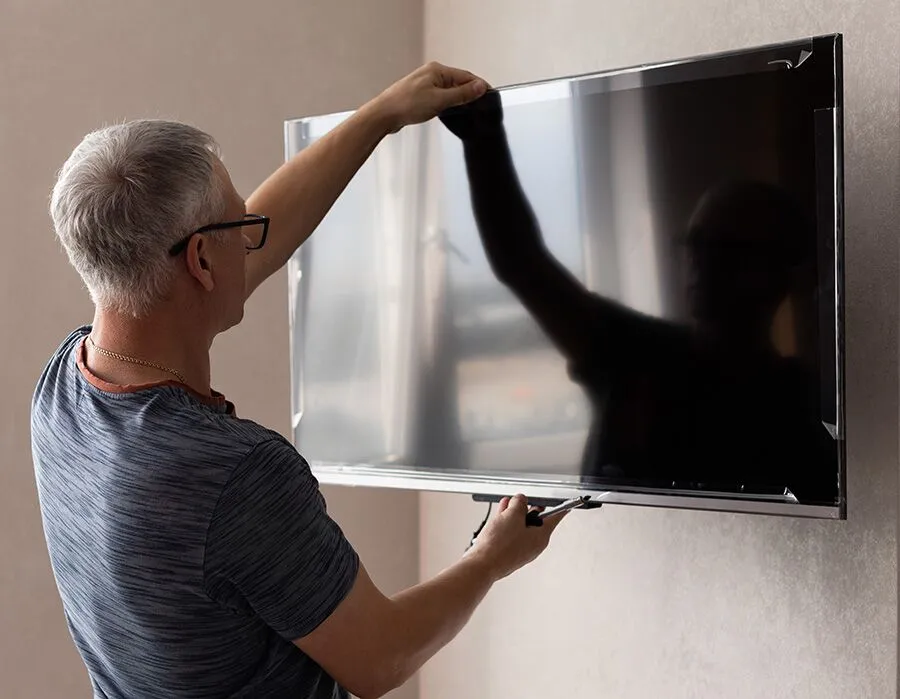
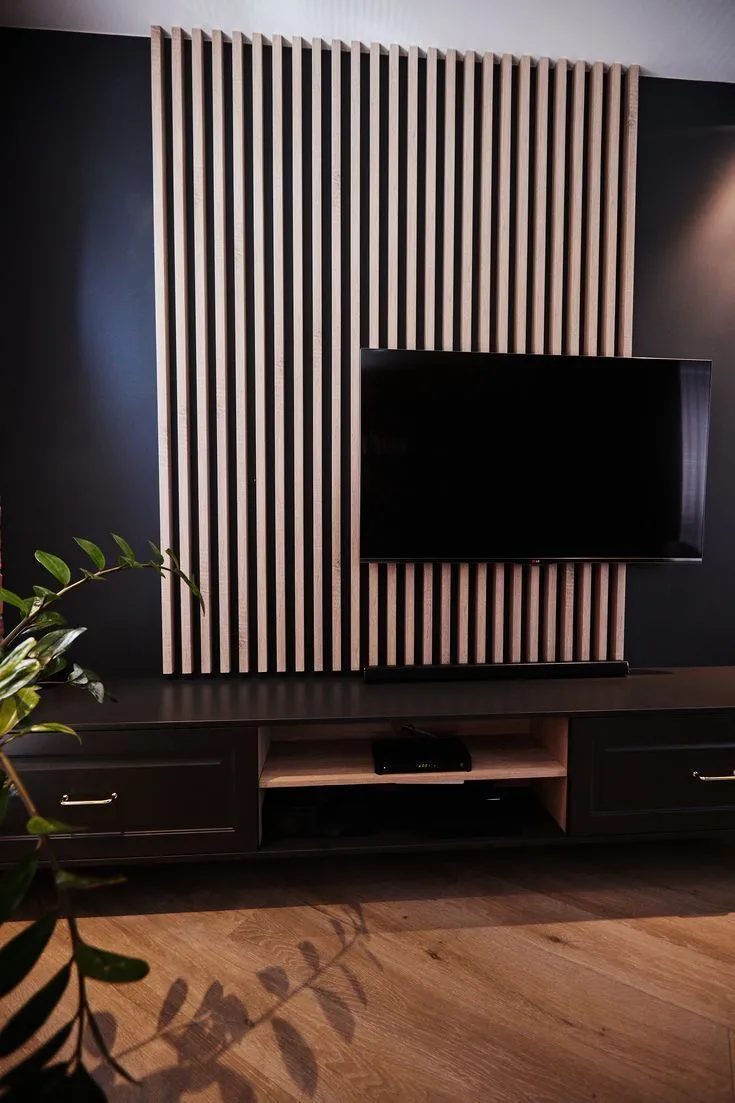
TV mounting is another frequent job. Mounting a television on drywall correctly requires a stud finder, the right mounting brackets, and experience running cables neatly through the wall or concealing them along the baseboard. A TV that isn't anchored to studs is a safety risk, especially in a home with children.
Drywall repair comes up regularly, particularly in older properties. A door handle left open too hard, a doorstop that wasn't properly installed, or a wall anchor pulled free can all leave holes that range from a small divot to a 3- or 4-inch gap. Matching the surrounding texture during the patch is the part most homeowners find difficult — it's not just about filling the hole.
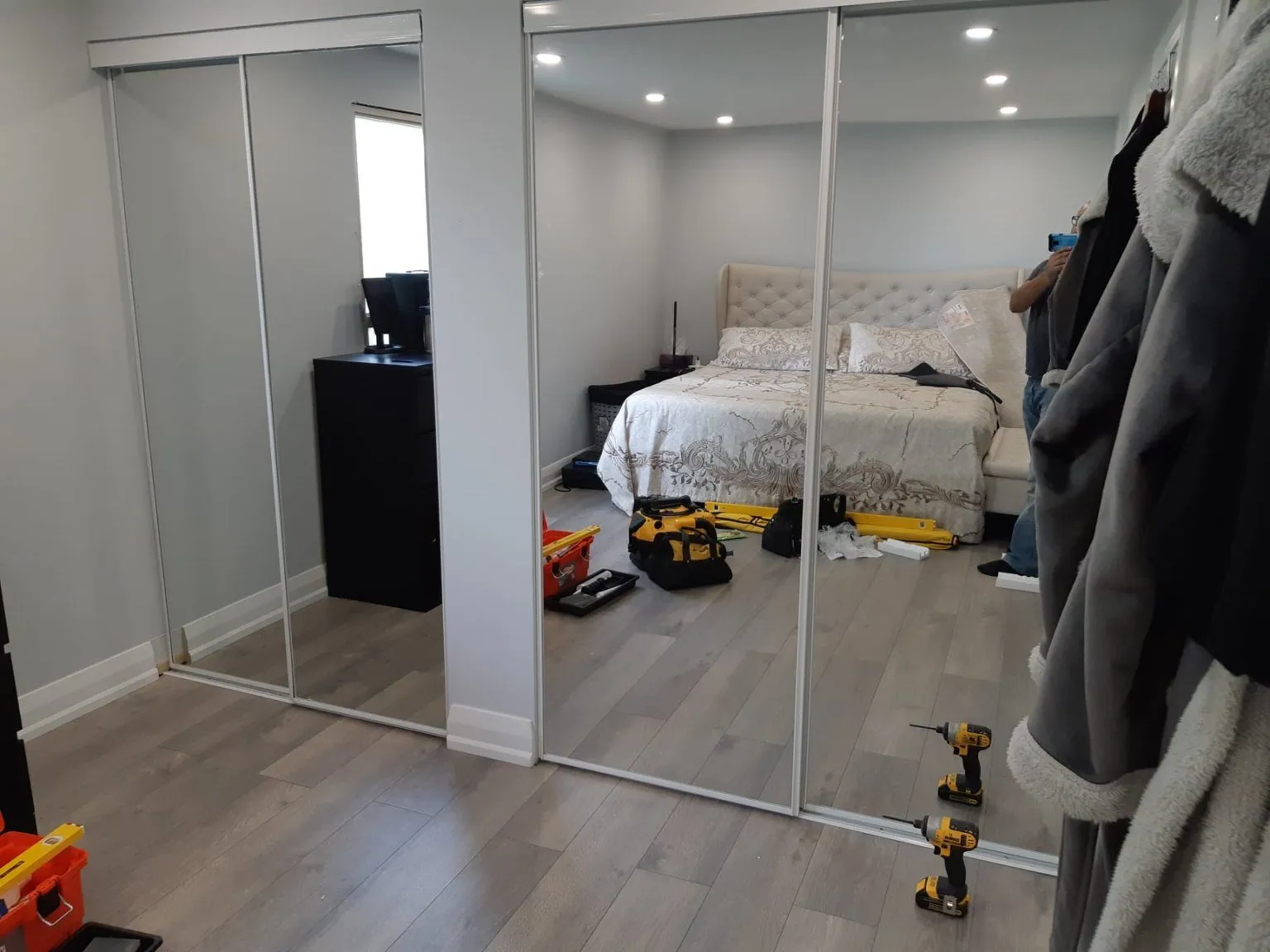
Sliding mirror door repairs are a common call, particularly in condos and townhomes where these doors were installed in master bedroom closets. Rollers wear out over time, tracks can become misaligned, and the doors begin to stick, scrape, or jump off the rail entirely. Replacing the rollers or resetting the track is usually a manageable repair when you have the right tools and the correct replacement hardware.
Cabinet and hinge repairs come up in kitchens and bathrooms. Soft-close hinges stop closing properly, drawer slides loosen, and cabinet doors start to hang at odd angles. These aren't serious structural problems, but they're frustrating daily irritants that are worth fixing properly rather than just tightening temporarily.
Shelving installation and wall unit setups round out the most common requests. Whether it's a floating shelf in a living room, a full media wall in a basement, or a set of garage storage shelves, getting the installation level, secure, and properly anchored into the right wall structure is a job that benefits from experience and the right approach the first time.
One clear sign is a repair that keeps getting pushed back. If something has been on your to-do list for more than a month, the odds are good it will stay there unless you bring in outside help. That's not a criticism — most people are busy — it's just a practical reality about how home repair lists grow.
Another indicator is when a task requires tools you don't own and aren't likely to use again. A tile saw, a proper drywall saw, or a drill with the right bit set — buying specialized equipment for a one-time job rarely makes financial sense. A handyman brings the tools and the technique together.
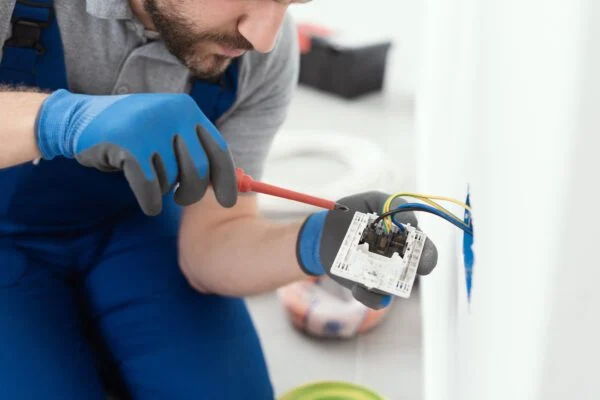
Safety concerns are a strong reason to call rather than DIY. Anything involving electrical outlets, light fixture replacements, or appliances that need to be hardwired should be approached carefully. Even jobs that look simple — like replacing a light switch — involve working with wiring that requires caution and, in some cases, should only be done by a qualified professional.
If a repair has gotten worse while waiting, that's another signal. A door that used to just stick now won't close fully. A crack in the drywall that was hairline-thin is now wider. Small problems have a way of becoming larger ones, especially in properties with older construction or seasonal humidity changes.
Landlords managing rental units in Mississauga often reach this point between tenants. A list of 8 or 10 small repairs that each take an hour or two is a full day of work. Bringing in a handyman to work through the list efficiently means the unit is ready for occupancy sooner and to a better standard.
When the project involves multiple trades — maybe a wall needs patching, a fixture needs installation, and a door needs rehinging all in the same room — a handyman who can do all three in one visit is far more efficient than coordinating separate specialists.
Some tasks are genuinely manageable for an attentive homeowner with basic tools. Tightening a loose hinge, swapping out a cabinet handle, touching up paint on a scuff mark, replacing a showerhead — these are jobs where the risk is low and the steps are straightforward. There's no reason to call anyone for those.
But the line moves quickly once the work requires more precision. Cutting and patching drywall to match an existing textured surface — orange peel, knockdown, skip trowel — is a technique that takes practice to get right. Most homeowners can patch a hole; far fewer can patch it so it looks like it was never there.
TV mounting sounds easy until you're holding a drill above your head, unsure whether you've hit a stud or just drywall. A TV bracket anchored into drywall alone will not hold a 55-inch screen safely over time. Getting it right the first time, with proper wall anchors or stud placement, is worth the expertise.
Furniture assembly is often underestimated. A large wardrobe with a mirror panel, cam locks on 60+ hardware points, and a back panel that keeps shifting is a 2-hour job with two people or a 4-hour ordeal by yourself. Having help — and experience with how these systems go together — saves a Saturday afternoon and avoids the frustration of a misaligned door at the end.
Electrical work is where most people rightly step back. Replacing a light fixture or adding a new outlet involves working with the breaker panel and live wiring. Even jobs that seem cosmetic can involve more complexity than expected. For anything beyond changing a bulb, working with an experienced professional is the safer path.
Sliding door repair is another example where the job looks simpler than it is. Removing the door panel safely, identifying whether the problem is in the roller, the track, or the guide, sourcing the right replacement hardware, and resetting the door so it glides smoothly — each step depends on having done it before. A first attempt on an unfamiliar door can turn a minor repair into a longer afternoon.

Mississauga has a significant rental market. From purpose-built apartment buildings near Square One to semi-detached rentals in Malton or Clarkson, landlords and property managers are constantly managing maintenance across multiple units. Handyman support is a practical necessity in this context, not a luxury.
Tenant turnovers are one of the most time-sensitive moments. Between a move-out inspection and the next lease start date, there's often a compressed window to address every repair on the condition report. Wall scuffs, damaged blinds, loose fixtures, broken closet doors — the list is often longer than expected, and each item needs to be completed to a standard that satisfies the next tenant from day one.
Move-in repairs matter for tenant satisfaction, too. A property that shows signs of deferred maintenance sends the wrong message at the start of a tenancy. Small details — a properly hung door, a working sliding closet, well-installed shelving — communicate that the property is managed with care.
Property managers overseeing multiple units in Mississauga benefit from working with a handyman service that also covers neighboring areas. If you're managing units in Mississauga and others in Oakville or Burlington, a single reliable service provider simplifies scheduling and ensures consistent work quality across properties.
Long-term maintenance matters as much as reactive repairs. Caulking around tubs and showers, checking that cabinet hardware is tight, ensuring door sweeps are sealing properly — these are small jobs that prevent larger damage over time. Moisture getting behind a poorly caulked tub can lead to drywall and subfloor damage that is far more expensive to fix than a 30-minute caulking refresh.
For landlords managing properties near Dundas Street, Hurontario, or along the Lakeshore corridor, having a handyman service that can respond reliably and work efficiently through a repair list makes ownership significantly less stressful. You can visit this page for home repair and installation help to get a sense of the services available to Mississauga homeowners and property managers: https://handymanoakvilleontario.ca/mississauga/
Understanding what a job actually requires helps homeowners set realistic expectations. Most handyman work involves a core set of tools that the professional brings to every call — a drill, a level, a stud finder, a measuring tape, a caulking gun, and a range of hardware for different applications.
For TV mounting, the key components are the mounting bracket itself (which needs to match both the TV's VESA pattern and the desired tilt or swivel range), lag screws for stud mounting or toggle anchors for drywall, and — if you want a clean result — a cable management kit. Running cables inside the wall requires cutting two access points and is a more involved job than surface-mounted routing.
Custom closet solutions use a different set of materials. Adjustable shelving systems typically rely on standards and brackets that attach to vertical wall-mounted rails. Getting the rails plumb and at the right spacing is where the skill comes in. The shelves themselves are usually cut to size and finished with edge tape or a pre-finished edge from the manufacturer.
Sliding mirror door repairs typically require replacement rollers — either top-hung or bottom-rolling depending on the door design — and sometimes a new bottom guide or track section. The rollers are often available from hardware suppliers but require knowing the door's brand and the original roller specification. Sourcing the wrong size is a common issue for homeowners attempting this repair on their own.
Drywall patching requires joint compound, a putty knife, sandpaper in multiple grits, and primer before painting. For holes larger than about 2 inches, a backing patch or a California patch technique is usually needed to give the compound something to adhere to. Getting the final painted surface to blend into the surrounding wall is the step most homeowners find hardest.
Furniture assembly tools depend on the brand and style, but most flat-pack systems use a combination of cam locks, dowels, and confirmat screws. The most common issue is tightening cam locks unevenly, which causes panels to bow or gap. A methodical approach — checking alignment before tightening anything fully — produces a much better result than going piece by piece.
Regular maintenance is one of the most underrated aspects of owning a home. The repairs that cost the most are almost always the ones that were small issues six months earlier. Catching things early — and having them fixed properly — is the most cost-effective approach to home ownership.
Caulking is a good example. The caulk around a bathtub, shower surround, or kitchen sink is the barrier between the surface water and the framing behind the wall. When it cracks, shrinks, or pulls away from the surface, water finds its way into the gap. Over months, that moisture softens drywall, encourages mold, and can eventually compromise the subfloor or wall framing. Recaulking once every couple of years is a fraction of the cost of a bathroom renovation.
Door adjustments are another low-cost maintenance item. Doors that stick, drag on the floor, or don't latch properly are usually responding to seasonal wood movement or slowly settling hinges. Tightening the hinges, planing a small amount from the edge, or adjusting the strike plate are all quick fixes — but left alone, a sticking door can become a door that damages its own frame over time.
Cabinet hardware loosens with regular use. Handles and pulls are screwed into the face of the cabinet door, and those screws gradually work their way loose. A loose handle wobbles, puts stress on the surrounding wood, and eventually strips the hole. Tightening regularly, or replacing with slightly larger screws when the hole is already stripped, keeps the cabinet functional without replacing the door entirely.
Shelving and wall unit hardware can shift over time, particularly in areas with seasonal temperature and humidity swings like Mississauga. Shelves that were once perfectly level may sag at one end if a bracket has pulled slightly from the wall. Checking annually and reanchoring as needed is a straightforward job that prevents a more dramatic failure later.
Sliding doors benefit from periodic track cleaning and lubrication. Dust, hair, and debris collect in the bottom track and increase friction on the rollers. Cleaning the track and applying a silicone-based lubricant — not WD-40, which attracts more debris over time — extends the life of the rollers significantly and keeps the door gliding smoothly.
Explore our latest resources, guides, and helpful information.