
Owning a home in Oakville is a source of real pride — but it also comes with a steady stream of repairs, installations, and maintenance tasks that have a way of stacking up faster than expected. A sticky door here, a cabinet hinge that needs tightening there, a TV that still needs to be mounted months after the box was opened. These are the kinds of jobs that feel small individually but together form a list that never seems to shrink. For homeowners across Oakville, Burlington, and Mississauga, having access to skilled local handyman help makes a meaningful difference in how well a home is maintained and how much stress builds around it.
Most people don't call a handyman because something catastrophic happened. They call because the small things finally reached a tipping point — or because one job, like sliding mirror door installation or furniture assembly, is genuinely tricky to do alone without the right tools and experience. A reliable local home service professional understands this. They show up, assess the work clearly, and get it done without turning a two-hour job into a week-long ordeal.
Handyman Oakville Ontario was built to serve homeowners, condo owners, landlords, and property managers across the Halton Region with exactly that kind of dependable, professional support. Whether the task is a custom closet solution, a media wall installation, or general home maintenance for a rental property near Dundas Street or along Lakeshore Road, the goal is always the same: useful work done right, on time, with clear communication from start to finish.
Appliance Repair Services in Oakville, Ontario
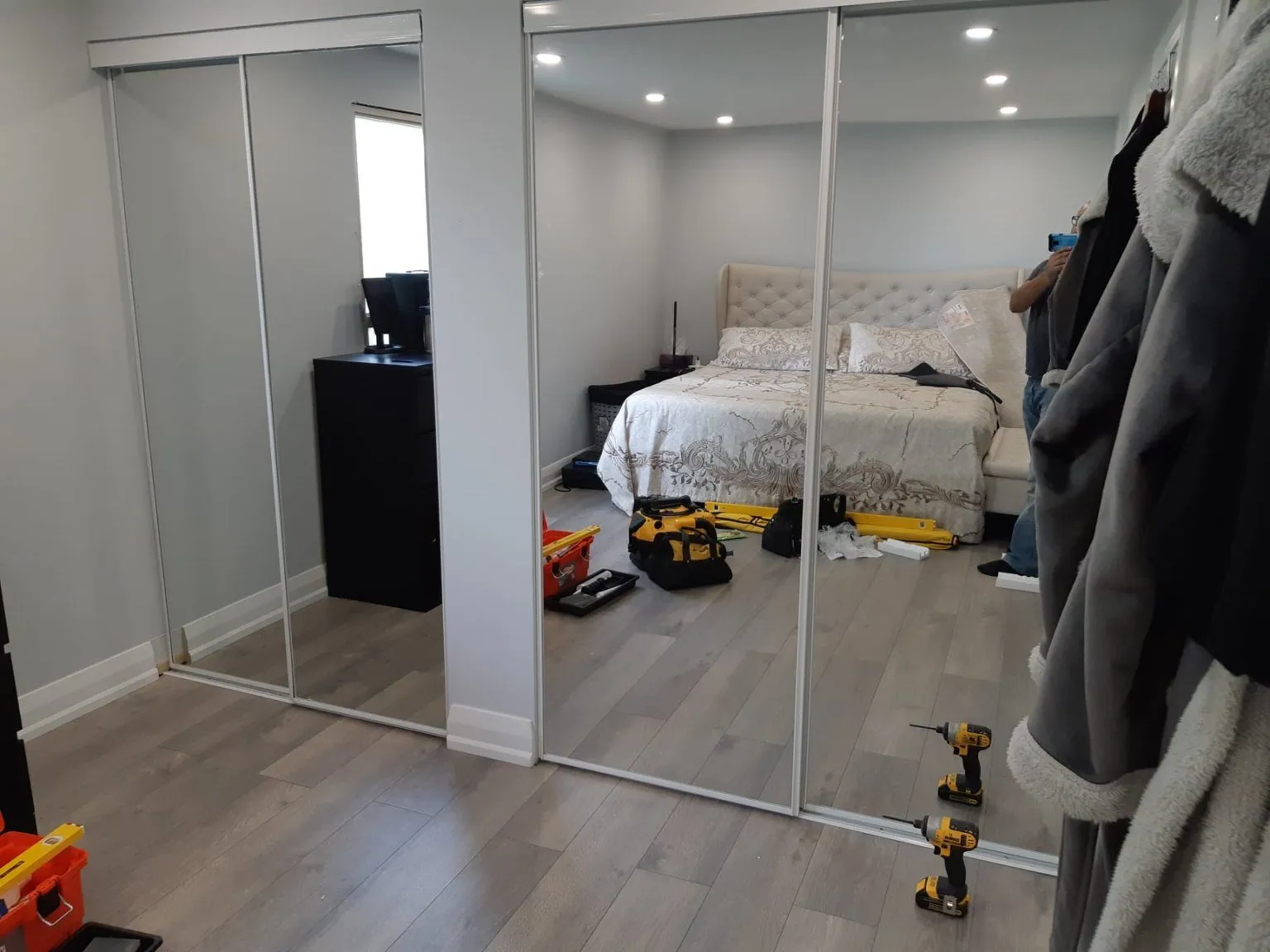
Small repairs have a habit of turning into big problems when they are left alone. A loose cabinet hinge that wobbles for a few months eventually strips the screw hole entirely, turning a ten-minute fix into a replacement job. A sliding door that jumps off its track once will do it again — and again — until the track or rollers are properly inspected and adjusted. In Oakville homes, especially those built in the 1990s and early 2000s in areas like Glen Abbey or River Oaks, age-related wear on fixtures, cabinetry, and interior doors is extremely common.
There is also the matter of safety. Damaged drywall around electrical outlets, improperly anchored wall units, or fixtures that were installed without the right hardware are not just inconvenient — they are genuine concerns for household safety. Many homeowners choose to work with experienced, insured professionals for exactly this reason, particularly for anything involving wall penetrations, heavy mounting, or light electrical work.
Property value is another angle worth considering. Homes in the Oakville market, especially in neighbourhoods like Joshua Creek and Iroquois Ridge North, carry significant value. Deferred maintenance — the kind of thing a home inspector notices immediately — can soften that value when it matters most. Keeping a home in good repair is not just about comfort; it is a form of long-term investment protection.
The reality of modern homeownership is that most people have more on their schedules than they have time for weekend repair projects. A professional home service visit can resolve in two to three hours what might take a weekend of frustrating trial and error, multiple trips to the hardware store, and results that still do not look quite right.
In rental properties and condos, the stakes are even higher. Landlords and property managers need repairs done promptly and correctly so that tenants are comfortable and lease agreements are honoured. A broken closet door or a loose towel bar in a rental unit needs to be addressed quickly — not left on a list for three weeks.
Understanding the real value of skilled residential repair help is the first step toward keeping a home functioning well year-round. It is less about luxury and more about managing a significant asset with the attention it deserves.
Drywall damage is one of the most frequently reported issues in Oakville homes. Door handle impacts leave crescent-shaped dents. Wall anchors pulled from plaster leave rough, crumbling holes. Furniture moved during a renovation scratches up a corner. A 3-inch patch can often be filled, textured, and painted in a single visit — but only if the right compound, primer, and matching texture technique are used. Attempting this without experience usually results in a visible blob of filler that catches the light differently than the surrounding wall.
Sliding mirror doors are another persistent headache. In many Oakville homes from the 1980s and 1990s, original sliding closet doors are still in place — and after thirty or forty years, the rollers wear out, the bottom track warps, or the doors simply fall out of alignment. Replacing a worn roller set and adjusting the track can make a door that felt impossible to open slide smoothly again.
Cabinet hardware — hinges, handles, soft-close mechanisms — tends to give out over time, especially in high-traffic kitchens and bathrooms. A hinge that is simply loose might just need the screw holes filled and re-drilled at a slightly different angle. A hinge that has cracked or bent needs to be replaced with a matching unit. Getting the right hardware matters, and knowing what is worth repairing versus replacing is part of the trade knowledge that comes from experience.
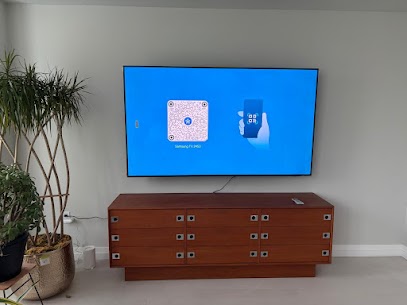
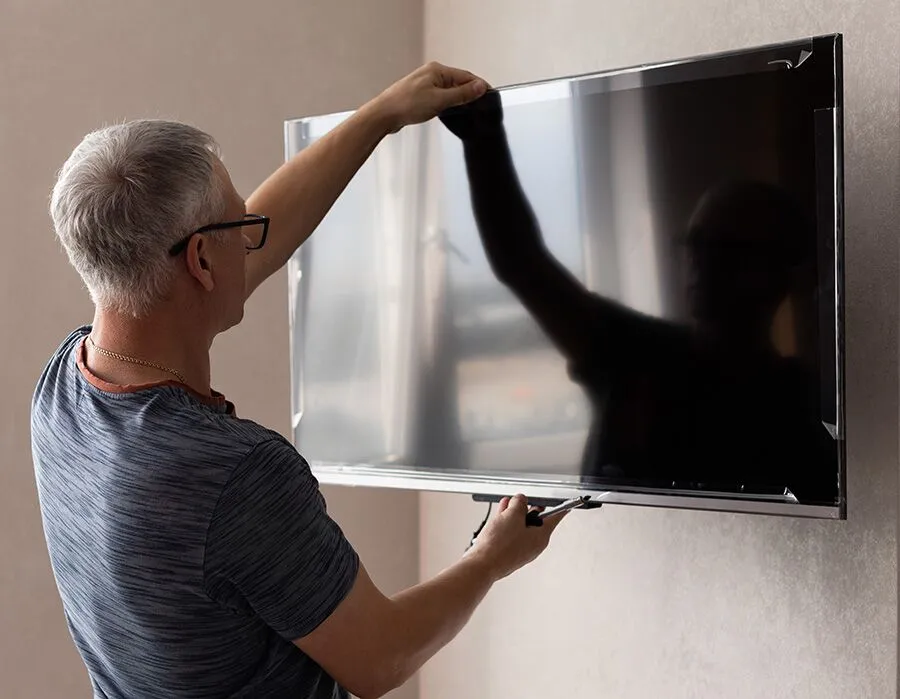
TV and media wall installation is something many homeowners plan and then delay indefinitely because the process involves locating studs accurately with a stud finder, managing cable routing, and ensuring the mount is rated for the weight of the screen. A 65-inch television mounted on a poorly anchored bracket is not a situation anyone wants to discover during an earthquake or after bumping the wall.
Furniture assembly is underestimated as a source of frustration. Flat-pack furniture from major retailers frequently comes with vague instructions and mismatched hardware counts. A wardrobe that wobbles because it was assembled slightly out of square will continue to deteriorate. Getting it built level and properly anchored to the wall — especially for tall units in bedrooms and home offices — is worth doing correctly the first time.
Light fixture installation, outlet replacement, and minor electrical upgrades round out the list of jobs that homeowners in Oakville tend to put off longer than they should. Safe wiring practices matter, and many homeowners prefer working with experienced professionals for anything that involves opening a wall plate or connecting wires.
The clearest sign that a repair is overdue is when it starts affecting daily life. A closet door that is jammed shut or a cabinet that will not stay closed stops being a minor nuisance and becomes a daily irritation. When a problem starts changing how people move through their home, it has already been left too long.
Another reliable signal is when a repair keeps recurring. If a door hinge has been tightened twice in the last year and is loose again, the screw hole is stripped and needs a proper repair — not just another tighten with a bigger screw. Recurring problems rarely get better on their own; they signal an underlying issue that needs to be corrected properly.
Visible deterioration that spreads is a warning worth taking seriously. Water damage around a window, mold forming in a bathroom corner that was never properly caulked, or a crack in a wall that has grown a quarter-inch since last winter — these are signs that the window for a small, inexpensive repair is narrowing. In older homes near Bronte or Kerr Village, moisture management is a particularly common maintenance concern.
For landlords and property managers, tenant complaints about repairs are an operational indicator that something needs to be addressed quickly. A property in College Park or Uptown Core where tenants are mentioning the same closet door or the same loose fixture in multiple communications is signalling a repair that should have been completed already.
If a home repair checklist has grown past five items and stalled there for more than two weeks, that is a practical signal. Lists do not clear themselves, and the longer they sit, the more likely it is that small problems compound into larger ones.
Before a home is listed for sale or a unit is prepared for a new tenant, a thorough walk-through with a handyman is genuinely one of the highest-return investments a homeowner or landlord can make. Fresh caulking, repaired drywall, functioning doors and drawers, and properly mounted fixtures all contribute to a property that presents well and inspires confidence.
Some repairs genuinely are manageable without professional help. Tightening a loose hinge with a standard screwdriver, patching a hairline crack with ready-mix spackle, or replacing a simple light switch cover are all tasks that most homeowners can handle safely on a weekend afternoon. The tools involved are minimal, the risk is low, and the learning curve is short.
Other tasks sit squarely in the "know your limits" category. Cutting and patching drywall to match the existing texture of an older home is genuinely difficult. Matching a skip-trowel or orange-peel texture requires practice, specific tools, and an eye for detail that comes from experience. Most DIY drywall patches are immediately visible under directional light. Getting it wrong once is a good argument for calling someone the second time.
Sliding door repair is another case where professional knowledge pays off quickly. The geometry of a sliding door system — how the top track guides, the bottom track supports, and the rollers interact with the weight of the panel — requires more than just muscle. Re-aligning a door that has been forced open for years often reveals multiple compounding problems that need to be addressed in the right sequence.
TV mounting, especially for large screens above 55 inches, is a safety decision as much as an aesthetic one. A stud finder is a starting point, but not all walls accept standard mounting hardware the same way. Tile walls, plaster-over-lath, and walls with unusual stud spacing all require different approaches. In condos along Trafalgar Road or near the QEW corridor, concrete and steel-stud construction is common — and that changes the mounting process considerably.
Custom closet installation, furniture assembly for large units, and wall unit construction are all tasks where an extra set of experienced hands saves hours. These jobs require measuring precisely, working level, and understanding how the final product needs to be anchored safely. A wardrobe that tips over is a serious hazard, especially in a home with children.
The most honest piece of guidance is this: if a repair requires a tool you do not own, a material you would have to order, or a technique you have not practiced, the cost of a professional visit is almost always less than the combined cost of the materials, the time, and the re-repair. Knowing when to ask for help is not a weakness — it is good home management.

Preventive maintenance is the part of homeownership that saves money quietly. A caulking inspection around bathroom and kitchen fixtures twice a year takes twenty minutes and prevents moisture from working its way behind tile and into drywall, where the damage is invisible until it is very serious. Replacing the caulk bead in a shower takes less than an hour. Replacing the tile, board, and framing behind it takes considerably longer and costs considerably more.
The same principle applies to door hardware. Hinges and tracks wear gradually, and the signs of wear — a door that drags, a drawer that does not close flush — are easy to overlook when they develop slowly. Catching them early, when a roller replacement or a simple hardware adjustment solves the problem, is far better than waiting until the track cracks or the door frame is damaged from years of misaligned stress.
In properties with sliding mirror doors — a common feature in Oakville homes built between 1985 and 2005 — periodic inspection of the rollers and track is worthwhile. Rollers are inexpensive to replace and take maybe thirty minutes per door. Left until they fully seize, they can crack the track or chip the mirror panel, turning a minor maintenance call into a full replacement.
Shelving and wall-mounted storage that was installed years ago sometimes needs re-inspection. Drywall anchors work well at installation but can loosen over time, especially if the shelves carry heavier loads than originally planned. A wall unit that is beginning to tilt forward slightly is a safety problem waiting to happen. A quick inspection with a level and a tug test takes five minutes and could prevent a very expensive — and potentially dangerous — failure.
For rental properties managed across the Halton Region, staying ahead of maintenance keeps tenant relationships positive and reduces the frequency of urgent repair calls. A property that receives one organized maintenance visit every six months will generate far fewer emergency calls than one where issues are addressed only after tenants report them.
Seasonal transitions are also natural triggers for maintenance. As temperatures shift in the Oakville area, door frames expand and contract, caulk becomes brittle, and hardware that was fine in summer may develop problems heading into winter. Building a simple maintenance rhythm — inspection and minor repairs in spring and fall — is the kind of proactive approach that keeps a home performing well year after year.
Working with a local handyman professional — one who operates specifically within Oakville, Burlington, and Mississauga — means a few things that matter in practice. Travel time is short, which makes scheduling faster and less disruptive. Familiarity with local construction types, building materials common in the area, and the specific challenges of homes in places like Old Oakville versus newer developments near Upper Middle Road is the kind of knowledge that cannot be replicated by a large regional contractor dispatched from an hour away.
In most Oakville homes we see, particularly those built in the 1990s through early 2000s, the closet systems were installed with basic builder-grade hardware that has a finite lifespan. The tracks used for sliding doors in that era, for example, were often lightweight aluminum that bends under sustained use. Knowing this before arriving on site means carrying the right replacement components and not losing time tracking down hardware that should have been anticipated.
The nature of residential repair work in Oakville also intersects with some community-specific considerations. Homes near Bronte Harbour tend to be older and may have plaster walls rather than drywall, which changes how patches are approached. Homes in newer subdivisions east of Neyagawa Boulevard often use open-concept floor plans where TV and media wall placement involves more complex routing decisions.
For condo owners — a growing segment of Oakville's housing market — the handyman relationship is especially important. Condos have specific rules about what can be mounted, what noise levels are acceptable during work, and which modifications require board approval. A local professional who understands condominium living can navigate these constraints without creating additional headaches for the owner.
Landlords managing properties in the area benefit from working with a consistent service provider who understands the standard of care required between tenancies and during lease periods. A single phone call that leads to a same-visit repair saves the kind of coordination burden that property managers deal with daily.
Community familiarity also means understanding practical logistics — which streets are congested at which times, which buildings have parking restrictions, and how to schedule efficiently across multiple stops in the same day. These are small things, but they add up to a service experience that feels professional and considerate rather than chaotic and impersonal.
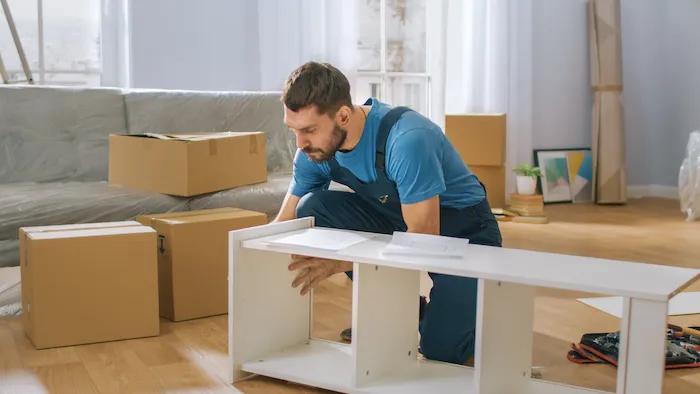
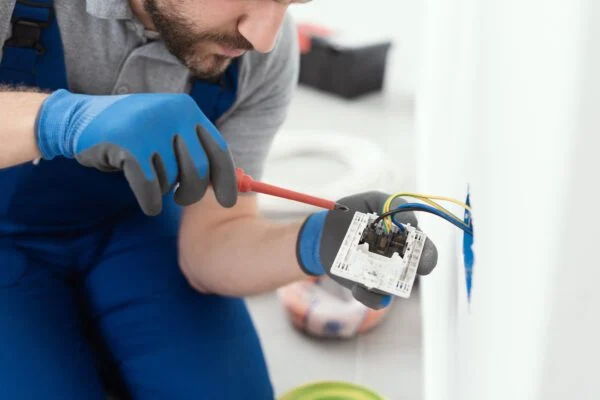
The range of residential repair help that Oakville homeowners typically need spans from straightforward furniture assembly to more involved installations like TV wall units or custom closet configurations. What connects all of these is the need for someone who arrives with the right tools, the right experience, and a clear understanding of what the job requires.
Custom closet solutions are one of the most satisfying upgrades a homeowner can make. A well-organized closet system — with properly measured shelving, appropriately rated brackets, and correctly anchored rails — transforms a frustrating space into one that actually functions. Using a stud finder and measuring tape correctly before drilling is what separates a system that stays put from one that sags within a year.
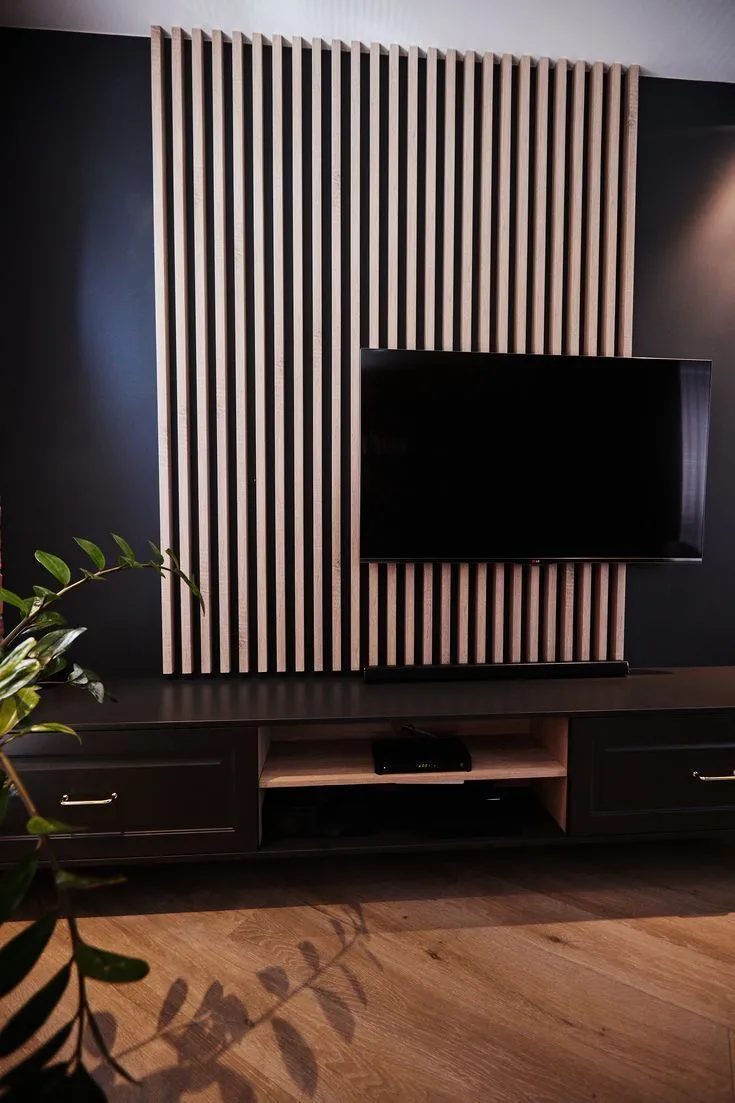
TV mounting and media wall installation have become increasingly popular as homeowners invest in their living rooms and home offices. Routing cables through the wall, selecting the right mounting bracket for the screen weight, and positioning the screen at the correct height for comfortable viewing all require planning and precision. Done correctly, the result is a clean, professional installation that makes the room look better and the technology easier to use.
Furniture assembly — particularly for large wardrobes, storage systems, bookshelves, and home office desks — is a service that saves hours and prevents the kind of structural errors that make flat-pack furniture unreliable long-term. A bookcase assembled slightly out of square will rack and wobble; one built level and anchored to the wall will serve for decades.
Home appliance repair, minor plumbing adjustments like fixture tightening or caulking around sinks, and light electrical upgrades including outlet replacement and light fixture installation round out the kinds of work that turn a growing repair list into a completed one.
If your home repair checklist has been growing and you are ready to address it properly, contact Handyman Oakville Ontario to book a service visit. Homeowners, landlords, and condo owners across Oakville, Burlington, and Mississauga can reach out to discuss what needs to be done and arrange a convenient time for a professional to come in and get it handled.
Explore our latest resources, guides, and helpful information.